Reviews
Affordable Soundproofing in Pakistan: How to Stop Outside Noise
Affordable Soundproofing: How to Stop Outside Noise
Transforming your room into a quiet sanctuary or a home studio shouldn’t cost as much as a flight to Dubai. Whether you’re a content creator in Lahore, a remote worker in Islamabad, or a musician in Karachi, the hustle and bustle of Pakistani streets—from the roti wala to the neighbor’s generator—is a real challenge.
Here is your ultimate guide to affordable soundproofing using local available solutions and clever DIY hacks.
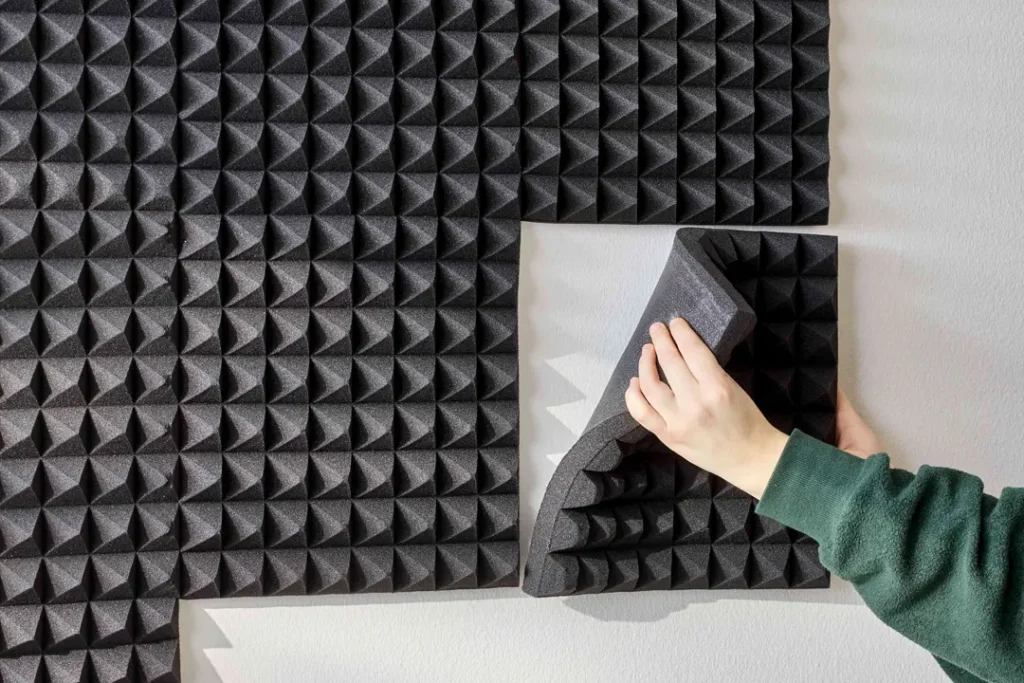
TABLE OF CONTENTS
1. Understand the Difference: Blocking vs. Absorbing
Before spending a Rupee, you must know what you’re trying to achieve:
Soundproofing (Blocking): Stopping noise from entering or leaving the room (e.g., street traffic). This requires mass and density.
Acoustic Treatment (Absorbing): Stopping echoes inside the room so your voice sounds “dry” and professional. This requires soft, porous materials.
2. Sealing Windows: Stopping Outside Noise
Effective window soundproofing is the most vital first step in acoustic treatment, as noise leaks through small air gaps much like water. To achieve a professional-grade seal, start by identifying leaks using a draft test or a DB meter to pinpoint where external noise is strongest.
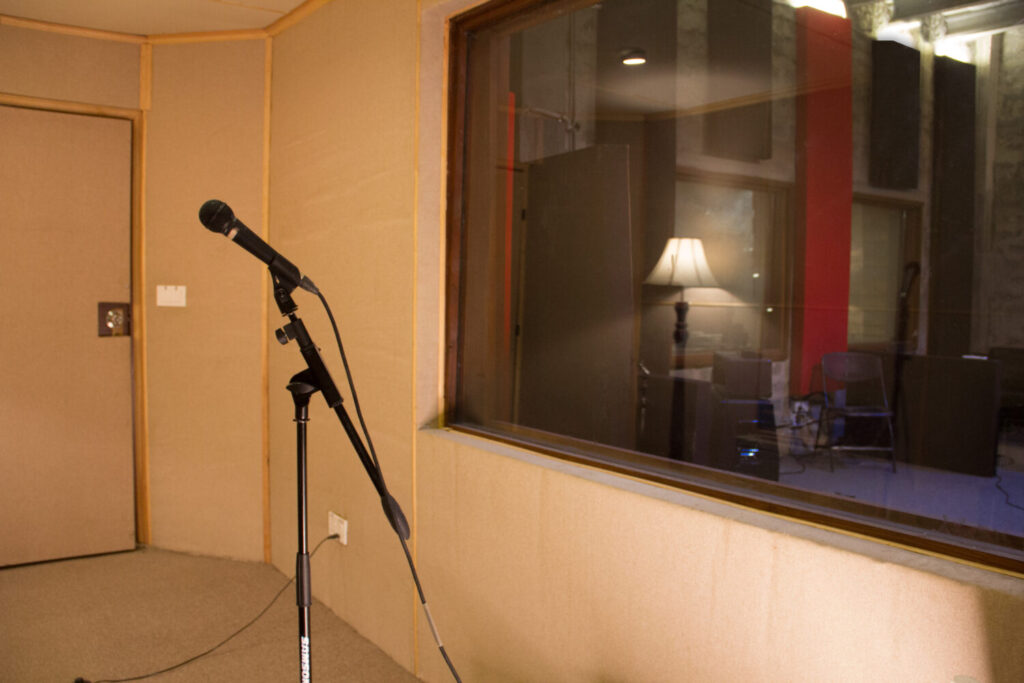
For maximum noise reduction, you should completely seal the window using a custom acoustic panel layered with high-density Mass Loaded Vinyl (MLV) or specialized glass wool. Once the panel is fitted, applying a high-quality acoustic sealant or non-hardening caulk around the window frame is essential to block airborne sound waves and eliminate vibrations.
At Ion, we provide professional affordable soundproofing services in Pakistan, saving you the hassle of managing unreliable contractors. Our specialized team is acoustically trained and combines technical expertise with the finest carpentry in the market to ensure a precision fit. For a custom quote based on your window size and noise intensity, WhatsApp us at 03008281033 and let our experts soundproof your space.
3. Sealing Doors:
Soundproofing a door is often the most impactful upgrade you can make to a room, as doors are typically the “weakest link” in any acoustic shell. Because doors are moveable, they inherently have gaps that allow sound to leak through.
1. Seal the Gaps (The Most Important Step)
Sound behaves like water; if air can get through, sound will too.
Apply Rubber Weatherstripping: Replace standard foam tape with high-density EPDM rubber around the top and sides of the door frame. Ensure the door requires a slight “push” to latch—this indicates a true compression seal.
Use Acoustic Sealant: Use a non-hardening acoustic caulk to seal the gaps between the door frame (jamb) and the wall. Standard silicone will eventually crack; acoustic sealant stays flexible to absorb vibrations.
2. Add Mass to the Door
Thin, hollow-core doors act like drumheads, vibrating and amplifying sound.
Mass Loaded Vinyl (MLV): This is the industry standard for soundproofing. Staple or glue a layer of 1lb or 2lb MLV directly to the face of the door. It is thin but incredibly heavy, which prevents the door from vibrating.
Acoustic Panels or Plywood: If you cannot replace the door, adding a layer of 5/8″ MDF or specialized acoustic panels to the back of the door will increase its density and make it harder for sound waves to pass through. At Ion, we create custom acoustic panels depending on your need.
3. Address the Door Core
If you are in the planning phase, the type of door you choose matters most:
Solid Core vs. Hollow Core: If your budget allows, replace hollow-core doors with solid-core wood or mineral-core fire doors. A solid-core door can provide a significantly higher STC (Sound Transmission Class) rating right out of the box.
4. DIY “Desi” Hacks for Soundproofing
If you’re on a zero-budget, use what you already have at home:
The Heavy Curtain Trick: Use thick velvet or “Jute” curtains. In Pakistan, you can get heavy fabric from Landa Bazaar or local cloth markets for a fraction of the cost of “acoustic curtains.” Double the layers for better results.
The Bookshelf Barrier: A wall filled with books is a fantastic sound diffuser. Place a large bookshelf against the wall shared with a noisy neighbour.
Door Seals & “Snake” Draft Stoppers: Most noise enters through the gap under your door. Use a rolled-up old towel or a foam “door snake” (available for PKR 500-800) to block the air gap.
Carpets and Rugs: Sound bounces off hard marble or tile floors. A thick wool carpet or even a few “shaggy” rugs from your local market will drastically reduce room echo.
Final Thoughts
Affordable soundproofing in Pakistan is all about being resourceful. You don’t need a million-rupee studio to get great results. Start with the gaps in your doors and windows, add some soft textures, and you’ll notice a world of difference.
-
 Pyramid Design Acoustic Foam 30cm x 30cm x 3cm Per Piece
₨750
Pyramid Design Acoustic Foam 30cm x 30cm x 3cm Per Piece
₨750 -
Noi Square Acoustic Panels for Acoustic Treatment
Price range: ₨3,300 through ₨6,500
-
Corner Acoustic Foam Bass Traps - 17.5cm x 17.5cm x 30cm
₨850
-
Egg Crate Design Acoustic Foam 30cm x 30cm x 3cm
₨420
-
Noi Waveform Acoustic Diffuser Panels 24 x 24
₨8,500
-
Noi Bordered Angular Acoustic Panels for Acoustic Treatment 24 x 24
₨8,800
-
Noi Wooden Diffuser for Acoustic Treatment 24 x 24 - Quadratic Residue
₨44,500
-
Wedge Design Acoustic Foam 30cm x 30cm x 2.5cm
₨750
-
Noi Angular Acoustic Panels for Acoustic Treatment 24 x 24
₨8,500
-
Studio Monitors Isolation Pads
₨6,500
-
Noi Wooden Slat Absorber Diffuser Acoustic Panels 24 x 48
₨13,800
-
Noi Bass Traps for Acoustic Treatment
Price range: ₨10,500 through ₨13,500